
Montreal Shooting Investigation: Authorities Examine Alleged Manifesto as Motive Remains Under Review – Seth Hatfield The Montreal Shooting and the Role of Alleged Manifestos in Violent Incidents
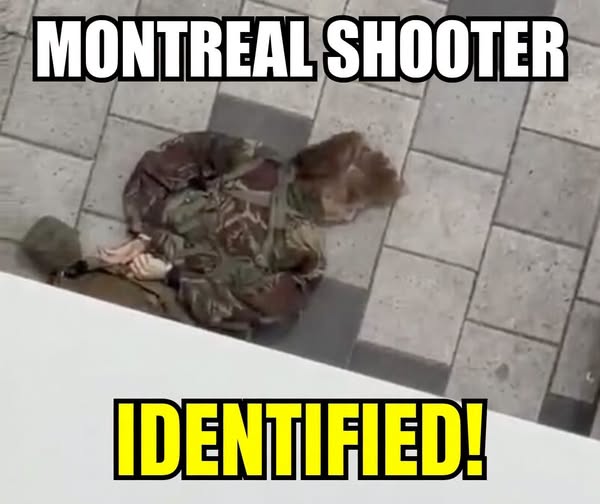
The Montreal Shooting and the Role of Alleged Manifestos in Violent Incidents, In June 2026, a fatal shooting occurred in Montreal’s Côte-des-Neiges district involving an armed individual who engaged with responding police officers. The incident resulted in multiple deaths, including the suspect, and triggered a major law enforcement investigation. Authorities later confirmed that a lengthy written document attributed to the suspect was recovered and is being examined as part of efforts to understand motive and possible influences.
The suspect has been identified in media reporting as Seth Scott Hatfield, a young man originally from Alberta. While investigations are ongoing, officials have not released a final determination regarding motive or the authenticity and interpretation of all materials associated with the case.
At this stage, authorities have not officially validated all claims circulating in media summaries about the contents of the document. Instead, it is being analyzed alongside digital records, communication history, and behavioral evidence to determine whether it reflects genuine ideological motivation, personal crisis, or a combination of factors.
Understanding Manifestos in Violent Cases
In modern cases of lone-actor violence, so-called manifestos are not uncommon. Researchers and security analysts note several recurring patterns:
They often blend political, social, or cultural references with deeply personal frustrations
The ideological framing may be inconsistent or borrowed from online communities
They are frequently written to justify the attacker’s actions after the fact
They may attempt to provoke attention or influence public discourse
Crucially, experts caution that these writings should not be interpreted as structured political theory. Instead, they are more often seen as retrospective justification for violence rather than genuine policy proposals.
 6
6
 202
202